
Obagi Skincare Consultation
A bespoke skincare consultation with Obagi medical-grade product recommendations
- Appointment time
- 30 to 45 minutes
- Anaesthetic
- None required
- Downtime
- None
- Results
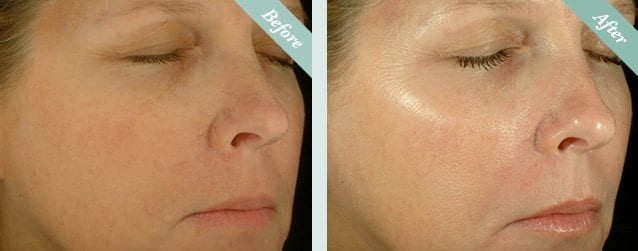
- Typically visible from 6 to 12 weeks of consistent use
- Review
- Follow-up recommended to adjust the regime
What happens at an Obagi skincare consultation?
Most people arrive at a skincare consultation with a shelf full of products and no real sense of whether any of them are doing anything. The difficulty is rarely a shortage of options. It is that skincare is sold on packaging and promise, while what your skin actually needs depends on your skin type, your history, your concerns and how your barrier behaves.
An Obagi consultation is a clinical assessment first and a product conversation second. Your practitioner examines your skin, takes a history covering sun exposure, previous treatments, medication and how your skin has responded to products in the past, and establishes what is realistically achievable and over what timescale.
Obagi is a medical-grade range, which is the reason it is used here. Its formulations are built around ingredients at concentrations designed to work at a deeper level than cosmetic skincare, with structured regimes for pigmentation and photo-ageing, for breakout-prone skin, for antioxidant protection and for daily maintenance. Some of the range is prescription-strength and can only be supplied by a prescriber after a face-to-face assessment, which is why this cannot be done by questionnaire or over the counter.
You leave with a regime, not just a recommendation: which products, in what order, how often, and what to expect week by week. Medical-grade skincare often gets worse before it gets better, and knowing that in advance is the difference between people who see it through and people who abandon it in week three.
Why patients choose Obagi Skincare Consultation
- A clinical assessment of your skin rather than a product sales pitch
- A regime built around your skin type, history and priorities
- Access to prescription-strength options where clinically appropriate
- Clear guidance on order of application, frequency and what to expect
- Prepares and supports the skin around in-clinic treatments
- Follow-up review so the regime can be adjusted as your skin adapts
This consultation suits anyone dealing with pigmentation, sun damage, uneven tone, early lines or breakout-prone skin who wants a plan grounded in clinical assessment. It is equally useful if you are already spending money on skincare without much confidence that it is working, or if you are preparing for or recovering from an in-clinic treatment and want your skin in the best possible condition.
What to expect from Obagi Skincare Consultation
- Step 1
Assessment and history
Your practitioner examines your skin, discusses your concerns and priorities, and takes a full history including sun exposure, previous treatments, any relevant medication and how your skin has reacted to products before. Skin imaging may be used to look at pigmentation and sun damage below the surface.
- Step 2
Building your regime
Together you agree what to target first and over what timescale. Your practitioner selects the products, explains the order and frequency of application, and where prescription-strength preparations are appropriate these are prescribed following the assessment.
- Step 3
Starting and reviewing
You are shown how to introduce the regime gradually and told what to expect at each stage, including the adjustment phase. A follow-up review is arranged so progress can be checked and the regime adjusted as your skin adapts.
Medical-grade skincare needs introducing gradually rather than all at once. Follow the order and frequency your practitioner gives you, and build up slowly: starting every active on the first night is the most common reason people react badly and give up. An adjustment phase is normal and expected, particularly with retinoid-based products, and can include dryness, flaking, tightness, mild redness and a temporary flare of breakouts as skin turnover increases. This usually settles within the first few weeks. Support the skin with a simple moisturiser through that phase and do not exfoliate on top of it. Daily broad-spectrum SPF is not optional here: several of these ingredients increase sun sensitivity, and without sun protection any pigmentation you are treating will simply return. Contact the clinic rather than stopping altogether if the reaction feels excessive, since the regime can usually be adjusted. Results build over months rather than days, so keep your review appointment even if progress feels slow.
Frequently asked questions about Obagi Skincare Consultation
What happens at the consultation?
Your practitioner examines your skin, discusses your concerns and takes a full history covering sun exposure, previous treatments and how your skin has responded to products in the past. You then agree what to target first and build a regime around it, with clear guidance on how and when to use each product.
Why does Obagi need a consultation when other skincare does not?
Obagi is a medical-grade range, and part of it is prescription-strength. Those preparations can only be supplied by a prescriber after a face-to-face assessment, which is a legal requirement rather than a formality. Just as importantly, stronger actives need to be matched to your skin and introduced properly, and that needs someone assessing you rather than a questionnaire.
How long before I see a difference?
Most people begin to see meaningful change between six and twelve weeks of consistent use, with pigmentation and photo-ageing continuing to improve over several months. Skin cell turnover takes weeks, so no regime works overnight, and consistency matters far more than intensity.
Will my skin get worse before it gets better?
Often, yes, and it helps to expect it. An adjustment phase with dryness, flaking, mild redness or a temporary increase in breakouts is common in the first few weeks, particularly with retinoid-based products, as skin turnover speeds up. It usually settles. If it feels excessive, contact us rather than stopping, because the regime can be adjusted.
Can I keep using my current skincare alongside it?
Some of it, probably, but not all. Layering additional acids, scrubs or actives on top of a medical-grade regime is a common cause of irritation. Bring your current products or a list of them to the consultation so your practitioner can tell you what to keep, what to pause and what to stop.
Is it suitable while pregnant or breastfeeding?
Several ingredients used in medical-grade skincare are not suitable in pregnancy or while breastfeeding. Tell your practitioner if you are pregnant, planning a pregnancy or breastfeeding, and an appropriate alternative regime can be recommended instead.
Does this replace in-clinic treatments?
No, the two work together. A good home regime improves the condition of the skin before a treatment and protects the result afterwards, and many in-clinic treatments perform noticeably better on well prepared skin. Your practitioner will advise on how the two should be sequenced.
How much does an Obagi skincare consultation cost?
Pricing depends on the treatment and what is agreed for you and is confirmed in writing at your consultation, with no obligation to proceed.
Considering Obagi Skincare Consultation?
Book a consultation with our specialist team to discuss whether this treatment is right for you.
Book a consultation