
Optilight Dry Eye with Gland Expression
Clinically validated IPL plus meibomian gland expression for dry eye disease
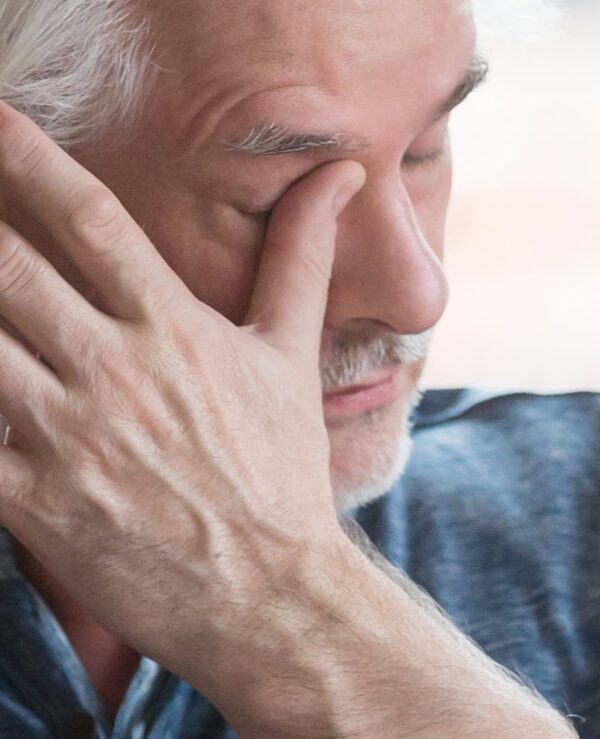
- Treatment time
- Around 15 minutes per session
- Anaesthetic
- Anaesthetic drops for the gland expression
- Downtime
- None, mild facial redness for a few hours
- Sessions
- A course of 4, spaced 2 to 4 weeks apart
- Results
- Build across the course, with maintenance thereafter
What is Optilight dry eye treatment?
Most dry eye is evaporative, meaning the tears are there but they do not last. What holds them in place is a thin film of oil across the surface of the eye, produced by the meibomian glands inside the eyelids. When those glands become blocked and inflamed, the oil they produce thickens from something like olive oil into something closer to toothpaste, and it stops reaching the eye. Tears then evaporate within seconds of each blink, leaving the surface exposed, irritated and, in many people, reflexively watering.
Drops address the symptom. OptiLight is designed to address the glands.
It uses intense pulsed light, applied to the skin of the cheeks and around, not to the eye itself, with protective shields in place throughout. Several things happen at once. The light closes off the abnormal small blood vessels along the lid margin that carry inflammatory mediators to the glands, interrupting the cycle that keeps them inflamed. The warmth it generates helps liquefy the thickened oil so it can flow again. It also reduces the population of Demodex mites, which are a recognised contributor to lid margin disease.
Each session is followed by manual expression of the glands: with the oil softened by the light, your consultant applies careful pressure along the lid margin to clear the blockages. The light and the expression work together, and the treatment is normally given alongside the lid hygiene and lubricants that make up your daily routine.
OptiLight was the first IPL device approved specifically for the management of dry eye disease due to meibomian gland dysfunction, on the basis of a randomised controlled trial that showed improvements in tear break-up time, in the quality of the oil produced and in how readily the glands could be expressed.
The standard course is four sessions of about fifteen minutes each, spaced a few weeks apart. It manages the condition rather than curing it, so most people return for maintenance once the initial course is complete.
Why patients choose Optilight Dry Eye with Gland Expression
- Targets the cause of evaporative dry eye rather than the symptoms
- Reduces inflammation along the eyelid margin
- Softens thickened oil so the glands can flow again
- Combined with manual gland expression at every session
- Improves tear film stability and oil quality
- The first IPL technology approved specifically for dry eye due to gland dysfunction
This treatment suits people with evaporative dry eye caused by meibomian gland dysfunction, particularly where lid hygiene, warm compresses and lubricants have not been enough on their own. Because the light targets pigment in the skin it is best suited to lighter skin tones, and it is not appropriate on recently tanned skin. A dry eye consultation comes first, both to confirm the diagnosis and to check the contraindications below.
What to expect from Optilight Dry Eye with Gland Expression
- Step 1
Assessment and suitability
A dry eye consultation confirms that gland dysfunction is driving your symptoms and establishes a baseline. Your consultant checks your skin type and reviews your history against the contraindications for light-based treatment, which include recent eye or eyelid surgery, active eye infection, skin cancer or precancerous lesions in the area, a history of cold sores, epilepsy or migraines, light-sensitising medication and recent chemotherapy or radiotherapy.
- Step 2
Light therapy
Protective shields are placed over your eyes and a layer of cool gel is applied to the skin. Pulses of light are delivered along the cheeks and around the eye area, never onto the eye itself. Most people describe a brief warm snap with each pulse. This part takes around 15 minutes.
- Step 3
Gland expression
With the oil softened by the treatment, anaesthetic drops are instilled and your consultant applies careful, controlled pressure along the lid margins to clear the blocked glands. This is the step that empties them, and it is done at every session.
The skin of the cheeks and around the eyes may look mildly flushed and feel warm for a few hours, and the eyes themselves can feel slightly tender or gritty for the rest of the day after gland expression. Both settle without intervention. Avoid rubbing your eyes until any anaesthetic drops have fully worn off, usually within about twenty minutes, and leave eye make-up off for the rest of the day. Keep to gentle skincare and avoid retinoids, acids and exfoliants on the treated skin for around a week. Skip saunas, steam rooms, hot baths and swimming for 48 hours. Sun protection matters: use a high-factor broad-spectrum SPF daily and avoid direct sun, sunbeds and self-tan for at least four weeks before and after each session, since treating tanned skin risks burns and pigment change. Most importantly, keep going with the daily measures you have been given, because the light therapy and your lid hygiene routine work together rather than as alternatives. Contact the clinic if you develop blistering, worsening eye pain, light sensitivity or any change in vision.
Frequently asked questions about Optilight Dry Eye with Gland Expression
How does light treatment help dry eyes?
It works on the meibomian glands in the eyelids, which produce the oily layer that stops tears evaporating. The light closes off the abnormal small vessels along the lid margin that sustain inflammation, generates warmth that helps liquefy the thickened oil trapped in the glands, and reduces Demodex mites, a recognised contributor to lid margin disease. Manual expression then clears the softened blockages.
Is the light applied to my eye?
No. The pulses are delivered to the skin of the cheeks and the area around the eye, never to the eye itself, and protective shields are in place throughout. The effect on the glands comes through the surrounding tissue and the lid margin.
Does it hurt?
Most people describe each light pulse as a brief warm snap against the skin, comparable to the flick of an elastic band, which is very manageable. Anaesthetic drops are used before the gland expression, so that part is uncomfortable rather than painful; some pressure is felt as the lids are worked along.
How many sessions will I need?
The standard course is four sessions spaced roughly two to four weeks apart. Improvement is cumulative, so it is important to complete the course rather than judging it after one or two. Most people then need maintenance sessions to hold the benefit, typically every six to twelve months depending on how their symptoms behave.
Is this a cure for dry eye?
No, and it is important to be clear about that. Meibomian gland dysfunction is a chronic condition, and this treatment manages it rather than resolving it permanently. What it achieves is a genuine and sustained improvement in comfort and tear film stability, and it works best alongside the daily lid hygiene and lubricants that form your ongoing routine, not instead of them.
Who should not have this treatment?
It is not suitable if you have had eye or eyelid surgery within the last six months, have an uncontrolled eye disorder or active infection, have skin cancer or precancerous lesions in the treatment area, have a history of cold sores in the area, epilepsy, seizures or migraines, are taking light-sensitising medication, or have recently had chemotherapy or radiotherapy. Recently tanned skin and deeper skin tones also need careful assessment. Your consultant will go through all of this beforehand.
Will it help if my eyes water rather than feel dry?
Very possibly. Watering is frequently the eye's reflex response to a surface that is drying out too quickly between blinks, and treating the underlying gland dysfunction often reduces it. Your consultation will establish whether that is what is happening in your case.
How much does Optilight dry eye treatment cost?
Pricing depends on the course agreed for you and is confirmed in writing at your consultation, with no obligation to proceed.
Considering Optilight Dry Eye with Gland Expression?
Book a consultation with our specialist team to discuss whether this treatment is right for you.
Book a consultation