
Reflexology
A structured pressure therapy applied to the feet, for deep relaxation and better sleep
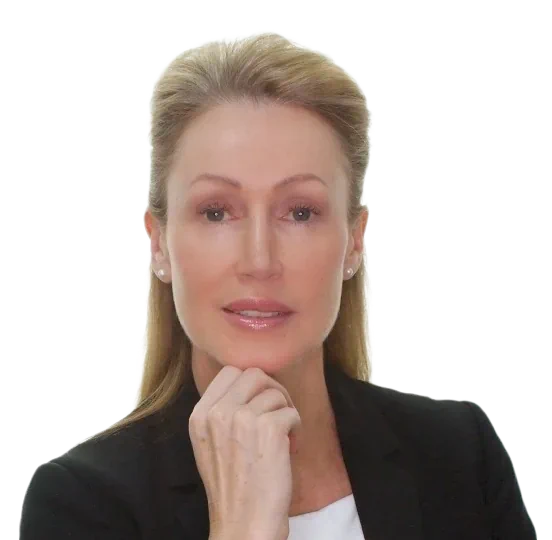
Your consultant
Andrea Hurst
MAR MCMA SAC Dip (Dist)
- Treatment time
- 1 hour 15 minutes
- Anaesthetic
- None
- Downtime
- None
- Course
- Typically 6 to 10 sessions
The traditional reflexology foot map
A traditional map of the soles, used to give the treatment its structure
Reflexology is worked to a map like this one. The sole of each foot is divided into zones that practitioners have traditionally associated with different parts of the body, and the map is what gives a session its structure. It sets out where the practitioner works and in what order, so every treatment follows the same methodical route over both feet rather than wandering.
The map is a tradition rather than a medical model. Pressure applied to a zone does not treat the part of the body named on the chart, and nothing about how your feet feel or respond is used to diagnose anything. It is shown here because people are curious about what the practitioner is following, and because seeing the sequence explains why a full session takes an hour and a quarter.
- Both feet are worked in the same set sequence, zone by zone
- You stay fully clothed apart from shoes and socks
- Not a diagnostic technique, and not a treatment for any medical condition
What is reflexology?
Reflexology is a complementary therapy in which firm, precise pressure is applied to the feet in a set, structured sequence. You stay fully clothed apart from shoes and socks, lying back on a treatment couch, and the practitioner works methodically over both feet using the thumbs and fingers. The pressure is deliberate and sustained rather than sweeping, which is what separates reflexology from a foot massage.
What most people come for is the state it produces. An hour and a quarter of steady, rhythmic pressure with nothing asked of you is profoundly relaxing, and it is common to fall asleep partway through. Many people report sleeping better in the nights that follow and feeling calmer and more even in themselves for several days afterwards. That is the honest scope of what reflexology offers, and it is worth having on its own terms.
It is a complementary therapy, which means it sits alongside your medical care rather than replacing any part of it. It is not a diagnostic technique and it is not a treatment for any medical condition. If you have a health concern, it should be seen by your GP or a consultant, and the clinic will say so rather than take a booking in its place.
Sessions are delivered by Andrea Hurst, a Master Practitioner who has worked in reflexology since 1994 and practises in London and internationally.
Why patients choose Reflexology
- Deep physical relaxation, with most people drifting off partway through the session
- Commonly reported improvement in sleep over the nights that follow
- A lift in mood and a general sense of wellbeing
- An unhurried hour and a quarter with nothing asked of you and nothing to think about
- Nothing to remove beyond shoes and socks, so it suits people who find other hands-on therapies exposing
- No downtime at all, so it fits either side of a working day
- Delivered by a Master Practitioner with more than thirty years in practice
- Sits comfortably alongside medical or aesthetic treatment rather than competing with it
Anyone carrying sustained stress, sleeping badly, or finding it hard to switch off. It suits people who want an hour of genuine rest rather than a specific clinical outcome, and it is a gentle option for those who would find a full-body massage too exposing or too physical. It is equally suitable as a regular restorative habit. It is not appropriate as a substitute for medical assessment: if something is worrying you physically, see your GP first.
What to expect from Reflexology
- Step 1
Before we begin
A short conversation about your general health, your medication, anything going on with your feet, and what you are hoping to get from the session. This is a safety check rather than a diagnosis, and it identifies the small number of situations where reflexology should be adapted or postponed.
- Step 2
Settling
You remove shoes and socks and lie back on a treatment couch, covered and supported, with everything else left on. The room is kept quiet and warm. Nothing is required of you for the rest of the session beyond lying still.
- Step 3
The treatment
Firm, precise pressure is applied across both feet in a structured sequence, working systematically rather than randomly. The feet are held securely throughout, which is why the great majority of people who describe themselves as ticklish manage the treatment comfortably. It should feel purposeful but never painful, and the pressure is adjusted to you at any point you ask.
- Step 4
Afterwards
A few minutes to come round before you get up, and a glass of water. Most people are back to normal activity immediately. There is nothing to avoid and nothing to recover from.
There is no recovery period. Drink plenty of water and, if the rest of your day allows it, take things gently for a few hours so the relaxation lasts. People respond differently in the first evening: many feel calm and quietly energised, some feel unusually tired and sleep heavily, which is a normal response to an hour of complete rest. Either way it settles overnight. If you are having a course, weekly sessions to begin with tend to work better than sessions spread thinly, and a typical course runs to between six and ten. Reflexology does not replace any part of your medical care, so continue any prescribed treatment as normal and take any new or worsening symptom to your GP rather than to the next session.
Frequently asked questions about Reflexology
What actually happens in a reflexology session?
After a short conversation about your health and your feet, you lie back on a treatment couch fully clothed apart from shoes and socks. Firm, precise pressure is then applied over both feet in a structured sequence for the length of the session. You do not need to do or say anything. Most people find it deeply relaxing and a good number fall asleep.
Is reflexology the same as a foot massage?
No. A foot massage is a broadly relaxing rub of the muscles and soft tissue. Reflexology applies specific, sustained pressure to set points on the feet in a deliberate order, and the practitioner works the same structured sequence each time. It feels quite different in practice: more purposeful, more precise, and considerably more absorbing.
Does it hurt? My feet are very ticklish.
It should not hurt. The pressure is firm and you will feel it clearly, but it is applied at a level you are comfortable with and adjusted whenever you ask. Ticklishness is the more common worry and rarely a problem in practice: the feet are held securely and the contact is steady rather than light and fluttering, which is what tends to trigger it.
How many sessions will I need?
A single session is worthwhile on its own and many people book nothing more. Where reflexology is being used as a regular part of looking after yourself, a course of six to ten sessions is the usual pattern, weekly to begin with and spaced further apart once you have found your rhythm. There is no obligation to commit to a course.
How will I feel afterwards?
Most people feel calm, loosened off and quietly energised, and describe the effect lasting several days. Some feel very tired that evening and sleep unusually deeply, which is a normal response to an hour and a quarter of complete rest. Occasionally people notice a mild headache, which is why a glass of water afterwards is a good idea.
Can reflexology treat a medical condition?
No, and we will not suggest otherwise. Reflexology is a complementary therapy offered here for relaxation, sleep and general wellbeing. It is not a diagnostic technique, it does not treat or cure disease, and it is not a substitute for seeing a doctor. If you have a symptom you are worried about, please see your GP or ask us about a consultation with one of our clinicians. Reflexology is something you can have alongside that care, not instead of it.
Is it safe, and is there anyone who should not have it?
It is a gentle, non-invasive therapy and suits most people, including those who are unwell or frail. There are a few situations where it should be adapted or postponed rather than gone ahead with, which is what the conversation at the start of the session is for. Tell us if you are pregnant or think you might be, if you have a foot injury, infection, open wound, verruca or athlete’s foot, if you have diabetes or reduced sensation in your feet, if you have had a blood clot or take anticoagulants, or if you are having any active medical treatment.
Do I need to undress?
Only your shoes and socks. Everything else stays on, and you are covered and supported on the couch throughout. It is one of the reasons people who would find a full-body treatment uncomfortable often get on well with reflexology.
Who will be treating me?
Andrea Hurst, a Master Practitioner in reflexology who has been in practice since 1994. She is a member of the Association of Reflexologists and the Complementary Medical Association and holds a Distinction in aromatology and aromatherapy, and she practises in London and internationally alongside her clinics here.
How much does reflexology cost?
Fees are confirmed when you book and depend on the length of the session. Please contact the clinic for current fees and for the next available dates.
Considering Reflexology?
Book a consultation with our specialist team to discuss whether this treatment is right for you.
Book a consultation