
Skin Lesion Removal
Safe surgical removal of moles, cysts, skin tags and other lesions
- Anaesthetic
- Local anaesthetic
- Procedure time
- 20 to 30 minutes
- Setting
- Day case, no overnight stay
- Sutures removed
- After 5 to 7 days
What is skin lesion removal?
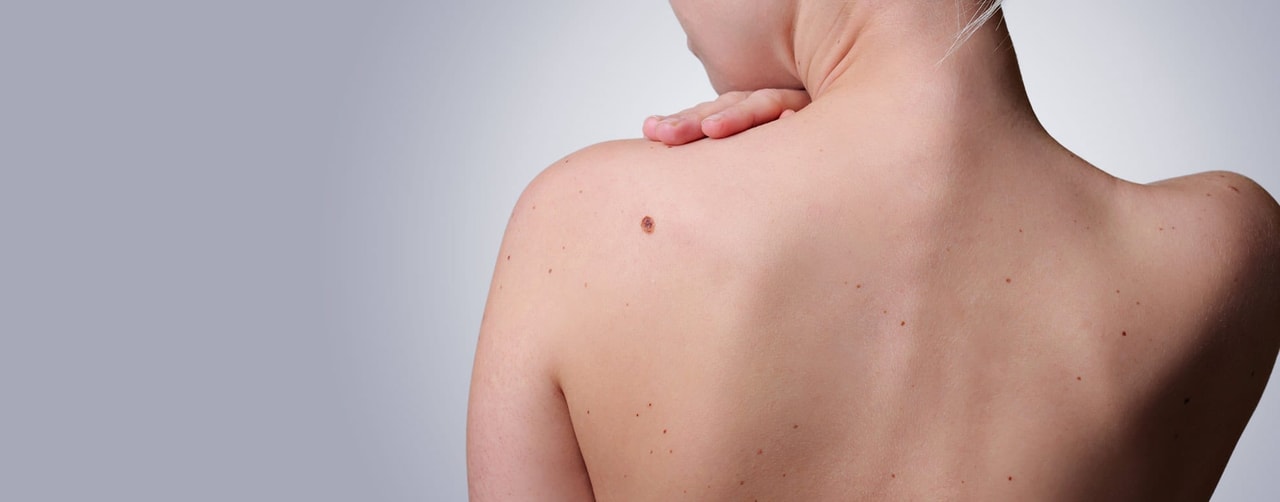
Skin lesions, including moles, cysts, skin tags and warts, are very common and usually harmless. Even so, they can catch on clothing, become sore or itchy, or simply affect your confidence when they sit in a visible area.
At Maison Restorative our surgeons remove a wide range of lesions using minor surgery under local anaesthetic. Depending on the type and depth of the lesion, techniques include shave excision, surgical excision with fine sutures, cautery and cryotherapy. Where appropriate the lesion is sent for histology so you have a clear diagnosis.
We always recommend having a new or changing lesion assessed first. If a mole or growth has changed in colour, size or shape, or has started to bleed or itch, please arrange an assessment so the right treatment can be planned.

Why patients choose Skin Lesion Removal
- Removes lesions that catch, bleed or feel uncomfortable
- Improves the appearance of visible moles and growths
- Histology available for a clear, reassuring diagnosis
- Several lesions can often be treated in one visit
- Performed under local anaesthetic with minimal downtime
- Fine suturing technique to keep scarring to a minimum
This treatment suits anyone with moles, cysts, skin tags, warts or other lesions that are changing, uncomfortable or affecting their confidence. We recommend a GP check for any new or changing lesion before cosmetic removal.
What to expect from Skin Lesion Removal
- Step 1
Assessment
Your surgeon examines the lesion, discusses your concerns and recommends the most suitable removal technique.
- Step 2
Removal
The area is numbed with local anaesthetic and the lesion is removed, usually within twenty to thirty minutes as a day case.
- Step 3
Histology and follow-up
Where appropriate the lesion is sent for testing. Any sutures are removed after five to seven days and your results discussed.
Keep the treated area clean and dry while it heals, and follow the simple wound-care advice given by your surgeon. Healing time varies with the technique used and the size of the lesion. We will see you again to remove any sutures, share histology results and check that the area is healing well.
Frequently asked questions about Skin Lesion Removal
How are skin lesions removed?
The method depends on the lesion. Raised moles can be shaved flat and the area cauterised; deeper lesions and cysts are removed by surgical excision and closed with fine sutures; some flatter lesions are treated with cautery or cryotherapy. Your surgeon recommends the best approach at your assessment.
Will I be left with a scar?
Our surgeons use careful, minimally invasive techniques and fine sutures to keep scarring to a minimum. Some methods leave no visible mark once healed, while excision of a deeper lesion may leave a faint scar.
Will the lesion be tested?
Where there is a clinical reason to, the removed lesion is sent for histology so you receive a clear diagnosis. Any further care needed is then planned with you.
Is the procedure painful?
The area is numbed with local anaesthetic, so you should feel only a little pressure during removal. Any mild discomfort afterwards usually settles with simple over-the-counter pain relief.
Should I see my GP first?
Yes. We recommend that any new or changing lesion is checked by your GP first, to rule out anything that needs medical rather than cosmetic treatment.
How much does mole or skin lesion removal cost?
Pricing depends on the lesion and what is agreed for you and is confirmed in writing at your consultation, with no obligation to proceed.
Considering Skin Lesion Removal?
Book a consultation with our specialist team to discuss whether this treatment is right for you.
Book a consultation