
Acne & Scarring
Targeted treatments to reduce the appearance of acne scars and restore smoother skin
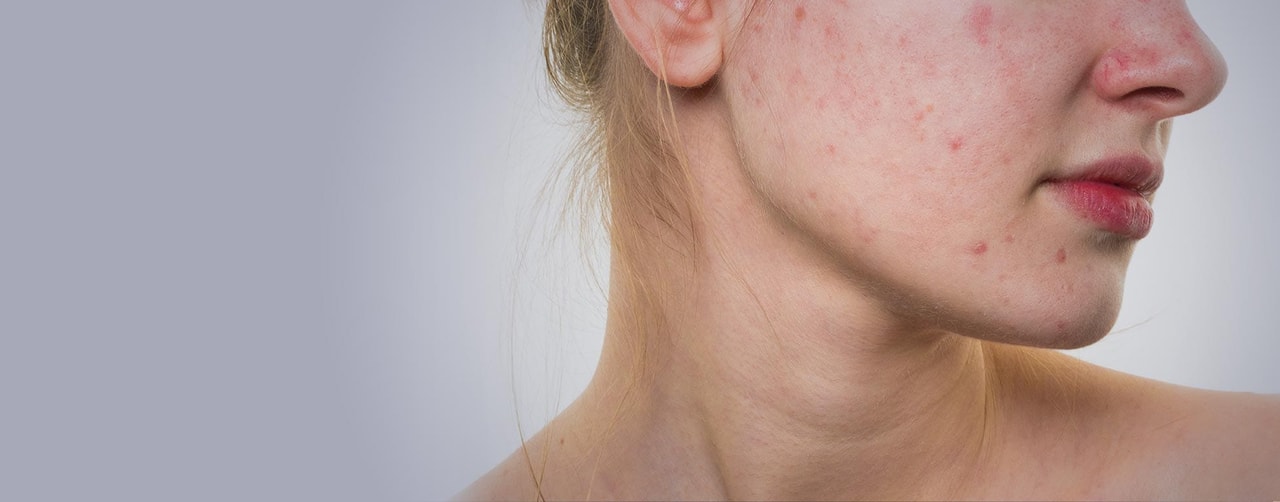
Targeted treatments to reduce the appearance of acne scars and restore smoother skin
Acne is one of the most common skin conditions, affecting the vast majority of people at some point in their lives. Once the active breakouts have settled, the scars left behind can be a lasting reminder of that time. Depending on how deeply the skin was affected, those marks can range from subtle surface changes to more pronounced pits and texture irregularities.
Acne scars come in several forms. Ice pick scars are narrow, deep punctures; rolling scars create a wave-like undulation across the skin surface; box car scars appear as rounded or angular craters with defined edges. Each type responds differently to treatment, which is why a thorough assessment comes first.
At Maison Restorative we approach acne scarring with a combination strategy tailored to your specific scar types and skin. Early treatment generally produces better outcomes, but meaningful improvement is achievable even in more mature scars. If you have previously used Roaccutane or other systemic treatments, we will take that into account during your consultation.
How we treat acne & scarring
Tap a treatment to see how it works, what to expect and the recovery involved.
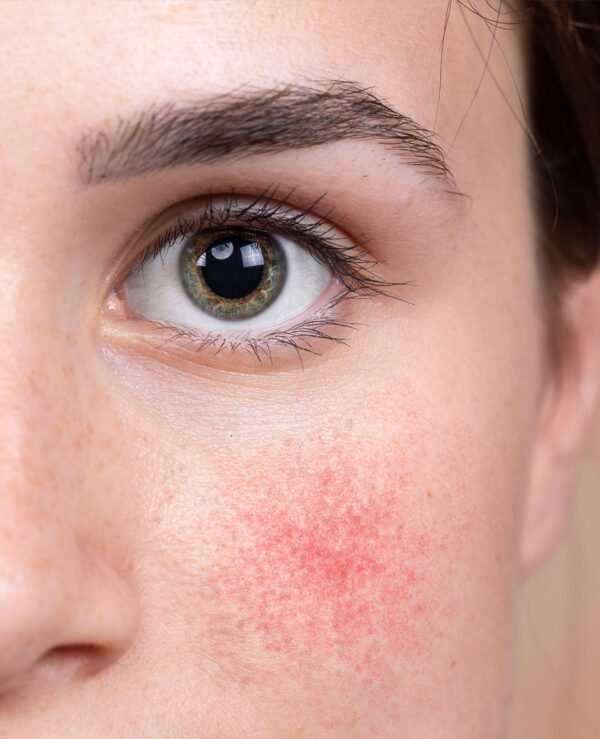
Acne Consultation
A detailed clinical assessment of active acne and a tailored treatment plan

HydraFacial
Medical-grade deep cleansing, extraction and hydration for instantly refreshed skin

Microneedling
Medical-grade collagen induction therapy, with optional exosome infusion

INTRAcel Radiofrequency Microneedling
Radiofrequency microneedling to tighten skin, reduce acne and stimulate lasting collagen

Fraxel Skin Resurfacing
Fractional laser resurfacing for noticeably smoother, clearer skin with minimal downtime
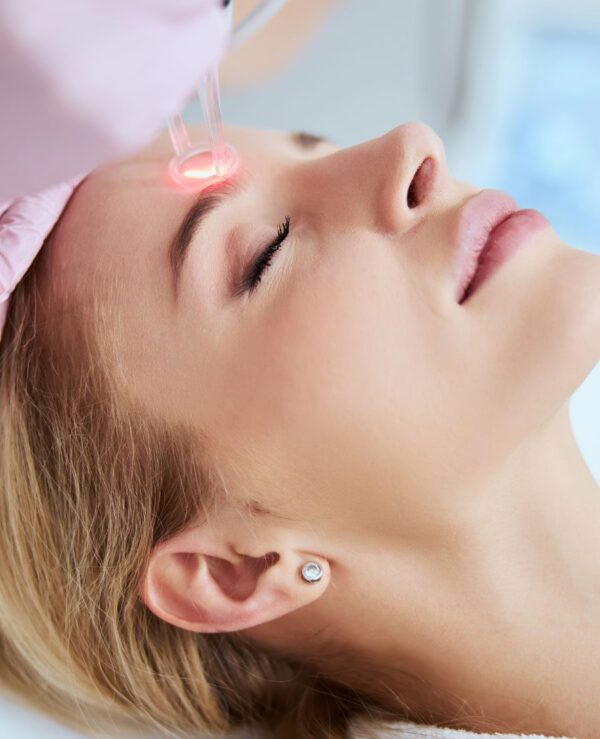
Laser Skin Resurfacing
Advanced fractional laser resurfacing with UltraClear for smoother, refreshed skin and minimal downtime

Obagi Blue Radiance Skin Peel
A no-downtime salicylic acid peel for brighter, smoother skin from the first session
What it looks and feels like
- Pitted or crater-like depressions in the skin surface
- Rough or uneven skin texture, particularly on the cheeks
- Deep, narrow holes in the skin (ice pick scars)
- Broad, shallow indentations with defined edges (box car scars)
- Wave-like undulation across the skin surface (rolling scars)
- Post-inflammatory hyperpigmentation (dark marks after spots heal)
Why it happens
- Picking or scratching spots while acne is still active
- Severe or cystic acne causing deeper dermal damage
- Delayed or inadequate treatment of active acne
- Genetic predisposition to abnormal wound healing
- Repeated inflammation disrupting collagen production
If acne scarring is affecting your confidence or daily life, it is worth booking a consultation sooner rather than later, as fresher scars tend to respond better to treatment. If you are still experiencing active acne, we recommend addressing the breakouts first. Anyone who has previously taken Roaccutane should discuss this during their consultation, as a waiting period may apply before certain treatments can begin.
Frequently asked questions
Can acne scars be treated if they have been there for years?
Yes. Mature scars are more stubborn than fresh ones, but a well-planned combination of treatments can still achieve meaningful improvement. A thorough assessment will set realistic expectations for your particular scar types.
How many sessions will I need?
This depends on the types and severity of your scarring. Most patients benefit from a course of treatments rather than a single session, with regular reviews to track progress and adjust the plan.
Will I need to take time off?
Downtime varies by treatment. Some options require very little recovery, while others may involve a few days of redness or sensitivity. Your practitioner will explain what to expect for each element of your plan.
Is acne scar treatment covered by insurance?
Acne scar treatment is generally considered cosmetic and is not typically covered by health insurance. Our team can provide a clear breakdown of costs at consultation.
Can I prevent new scars from forming?
Treating active acne promptly and resisting the urge to pick or squeeze spots are the most effective ways to reduce scarring. A good prescription skincare routine can also support healing and minimise post-inflammatory marks.
How do I get rid of acne scars?
It depends on the scar type. Rolling and box car scars respond to skin-needling and resurfacing treatments that stimulate new collagen, while deeper ice pick scars may need a more targeted approach. Fresher scars respond better than mature ones, and most patients do best with a tailored combination planned at consultation.
How much does acne scar treatment cost?
Pricing depends on the scar types and the course of treatment agreed for you and is confirmed in writing at your consultation, with no obligation to proceed.
Concerned about acne & scarring?
Book a consultation with our specialist team. We will assess the cause and recommend the right combination of treatments for you.
Book a consultation