
Skin Cancer
Specialist screening, mapping and surgical removal of suspicious skin lesions
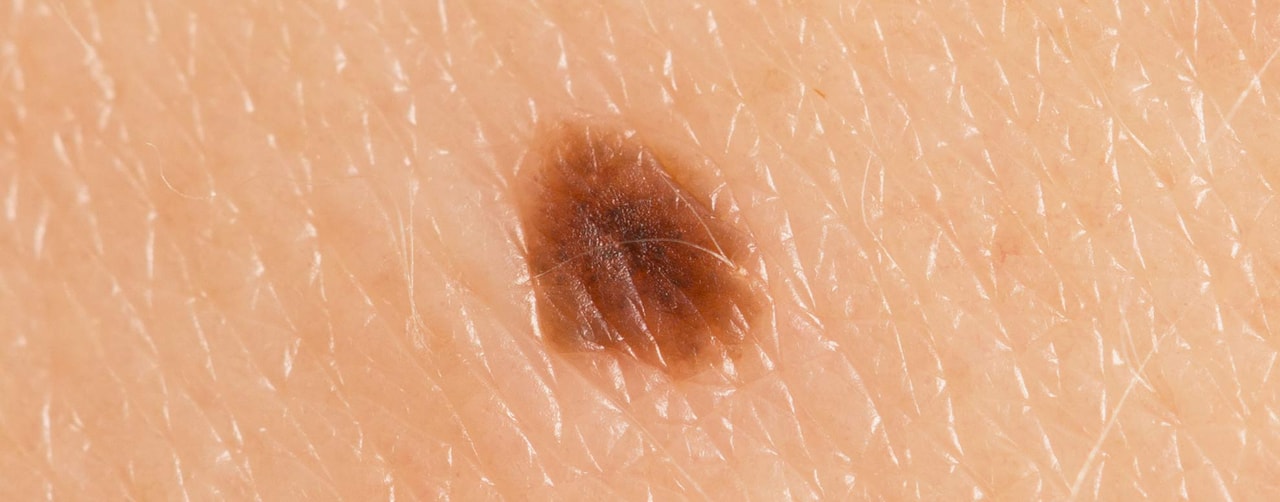
Specialist screening, mapping and surgical removal of suspicious skin lesions
Skin cancer is the most common cancer in the UK, and the islands’ sunny climate makes Jersey residents particularly vulnerable. The good news is that the great majority of skin cancers, including basal cell carcinoma, squamous cell carcinoma and early melanoma, are highly treatable when caught early.
At Maison Restorative we offer specialist assessment, mole mapping with high-resolution dermoscopy, and surgical removal of suspicious lesions. Each lesion is examined carefully and, where there is any concern, removed under local anaesthetic and sent for laboratory analysis to confirm the diagnosis.
If you have a mole or lesion that is new, changing, asymmetric, irregular in colour, growing, bleeding or simply different from the others on your skin, do not wait. A specialist assessment will give you clarity and, where treatment is needed, an early start makes a real difference.
How we treat skin cancer
We offer both surgical and non-surgical options. Your consultant will recommend the most appropriate route based on your assessment.
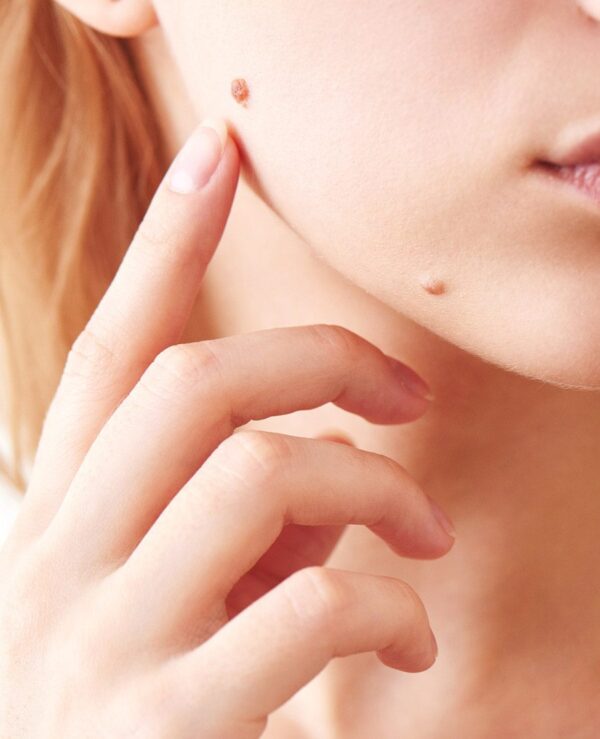
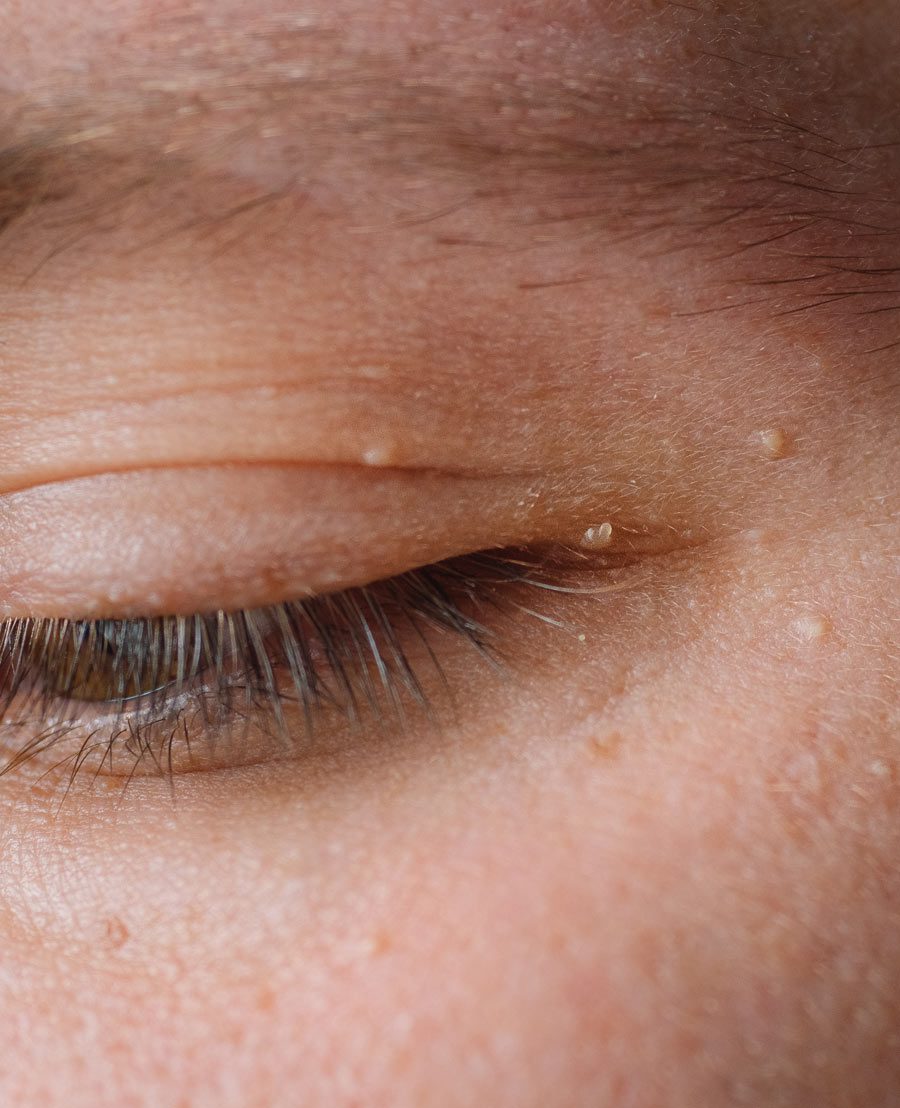
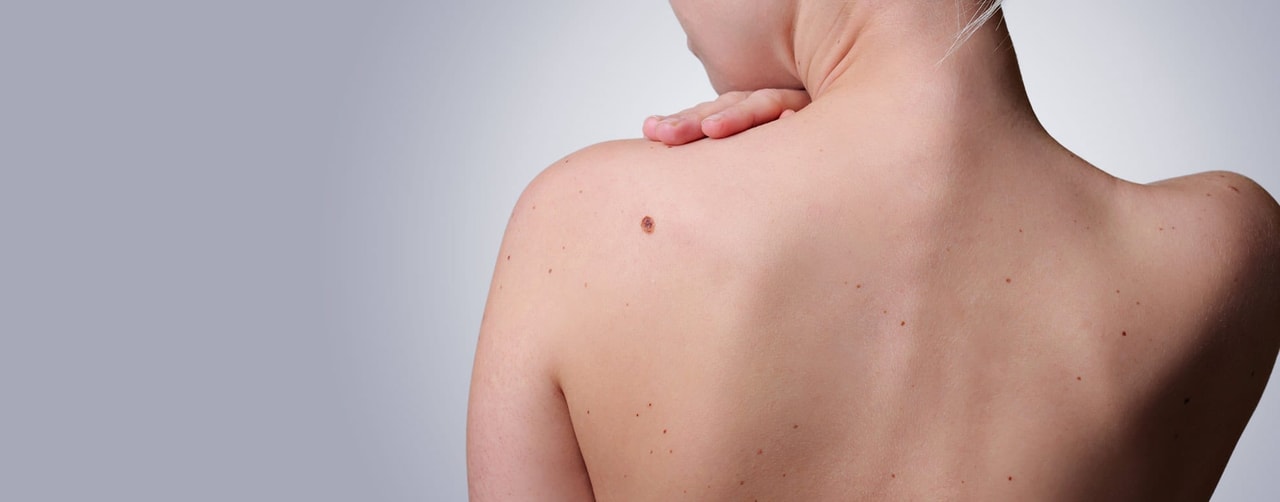
What it looks and feels like
- A new mole or lesion that has appeared recently
- An existing mole that is changing in size, shape, colour or texture
- Asymmetric lesions or moles with irregular borders
- Lesions of multiple colours, or with a different colour to your other moles
- A lesion that is itching, bleeding, crusting or failing to heal
- A rough, scaly patch in a sun-exposed area that persists or worsens (actinic keratosis)
Why it happens
- Cumulative ultraviolet (UV) exposure from sun and sunbeds
- Episodes of severe sunburn, particularly in childhood
- Fair skin, light eyes and a tendency to burn rather than tan
- A personal or family history of skin cancer
- A high number of moles (more than 50) or atypical moles
- Long-term immunosuppression or certain medical conditions
Any lesion that is new, changing, asymmetric or behaving differently from the rest of your skin warrants prompt assessment. The earlier a skin cancer is identified, the simpler the treatment and the better the outcome. If you are in any doubt, book a consultation rather than wait.
Frequently asked questions
What is mole mapping?
Mole mapping combines a full-body skin examination with high-resolution photography and dermoscopy. Each mole is catalogued so that any change over time can be identified early. It is particularly valuable for patients with many moles, fair skin or a family history of skin cancer.
How is a suspicious lesion removed?
In most cases the lesion is removed under local anaesthetic as a minor surgical procedure. The tissue is sent to a pathologist for analysis to confirm the diagnosis and to ensure all of the lesion has been removed.
Will there be a scar?
Any procedure that breaks the skin leaves some trace, but our surgeons take great care to minimise scarring. In most cases the result is a small, pale mark that continues to fade over the following months.
How quickly will I get my results?
Results from the pathology laboratory are typically available within one to two weeks. We will contact you with the result and discuss any next steps that may be needed.
What if my GP has already seen the lesion?
You are welcome to seek a specialist opinion at any stage. If your GP has expressed concern or referred you onward, we can usually arrange an assessment quickly and proceed straight to removal if appropriate.
When should I get a mole checked?
Have any mole or lesion checked promptly if it is new, changing in size, shape or colour, asymmetric, irregular in colour, itching, bleeding, crusting or simply different from your other moles. Early assessment gives clarity, and where treatment is needed an early start makes a real difference.
How much does a skin cancer check or mole removal cost?
Pricing depends on the assessment and any removal required and is confirmed in writing at your consultation, with no obligation to proceed.
Concerned about skin cancer?
Book a consultation with our specialist team. We will assess the cause and recommend the right combination of treatments for you.
Book a consultation