
Sun Damage & Age Spots
Correct and prevent the effects of UV exposure, from pigmentation and age spots to premature skin ageing
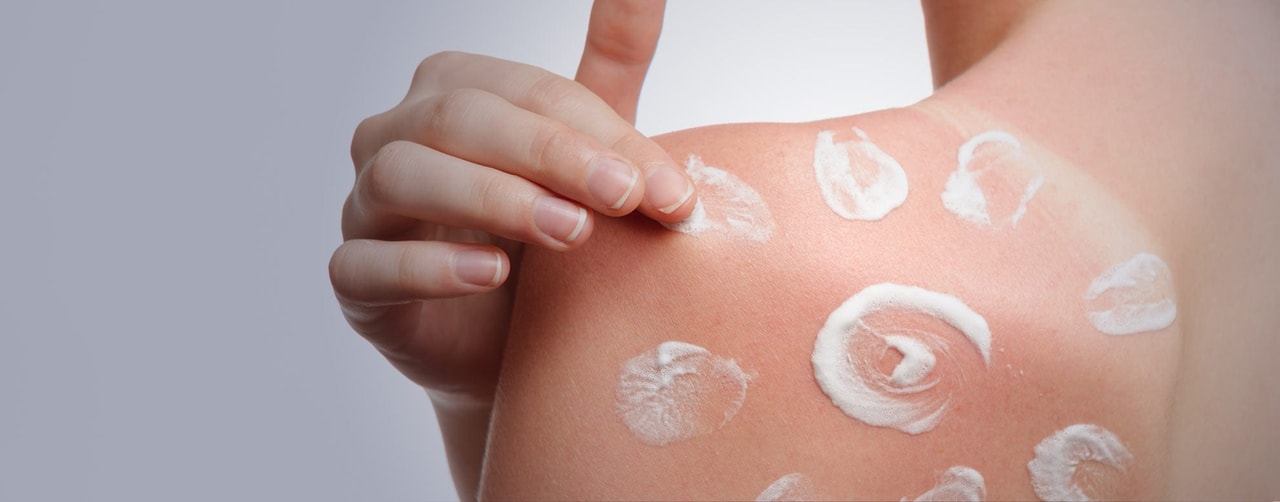
Correct and prevent the effects of UV exposure, from pigmentation and age spots to premature skin ageing
Cumulative exposure to UVA and UVB rays causes gradual changes in the skin's deeper layers, even when a sunburn has not occurred. Over time this photodamage becomes visible on the surface as uneven pigmentation, age spots, a rough or crepey texture, and fine lines that appear earlier than they would otherwise. The skin also loses some of its ability to repair itself, which can increase the risk of precancerous and cancerous lesions in those with significant long-term exposure.
Sun damage and age spots are among the most common skin concerns we see at Maison Restorative, and they are also among the most treatable. A daily broad-spectrum SPF is the most important step in preventing further damage, but for skin that is already affected, a range of professional treatments can make a meaningful difference to tone, texture and overall appearance.
We offer IPL photorejuvenation, laser resurfacing, Fraxel, HydraFacial and prescription-strength Obagi skincare. Where sun damage has also affected skin laxity, treatments such as Thermage, Ultracel and INTRAcel can help to restore firmness. Your practitioner will recommend the right combination based on the specific changes present in your skin.
How we treat sun damage & age spots
Tap a treatment to see how it works, what to expect and the recovery involved.

HydraFacial
Medical-grade deep cleansing, extraction and hydration for instantly refreshed skin

IPL Photo Rejuvenation
Restore even, radiant skin tone without surgery or downtime

Obagi Blue Radiance Skin Peel
A no-downtime salicylic acid peel for brighter, smoother skin from the first session
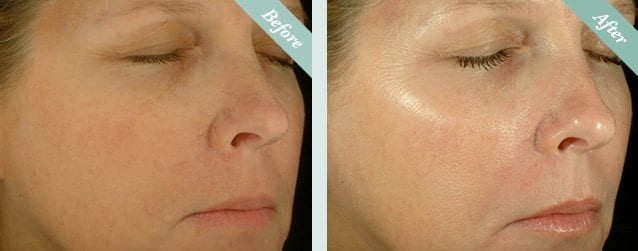
Obagi Skincare Consultation
A bespoke skincare consultation with Obagi medical-grade product recommendations

SkinCeuticals Peels
A professional-grade peel for brighter, smoother skin with no recovery time

Microneedling
Medical-grade collagen induction therapy, with optional exosome infusion

Fraxel Skin Resurfacing
Fractional laser resurfacing for noticeably smoother, clearer skin with minimal downtime
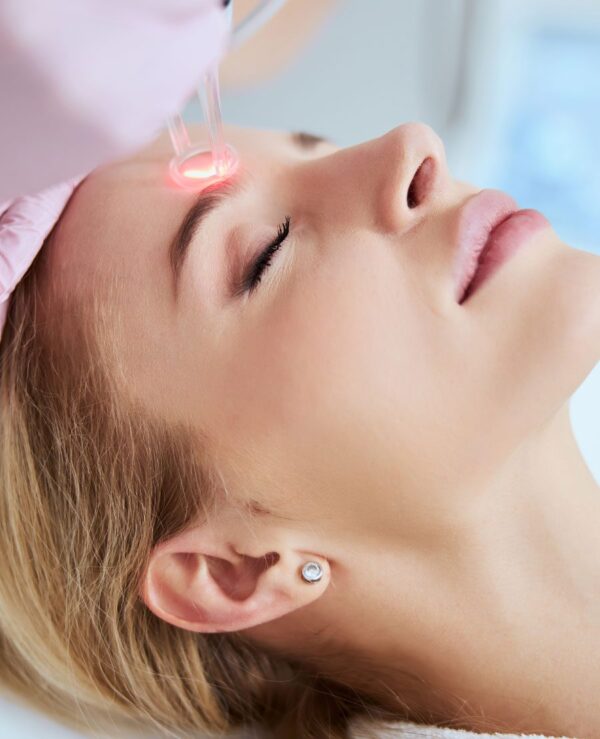
ResurFX Skin Resurfacing
Non-ablative fractional skin resurfacing for lines, texture and tone
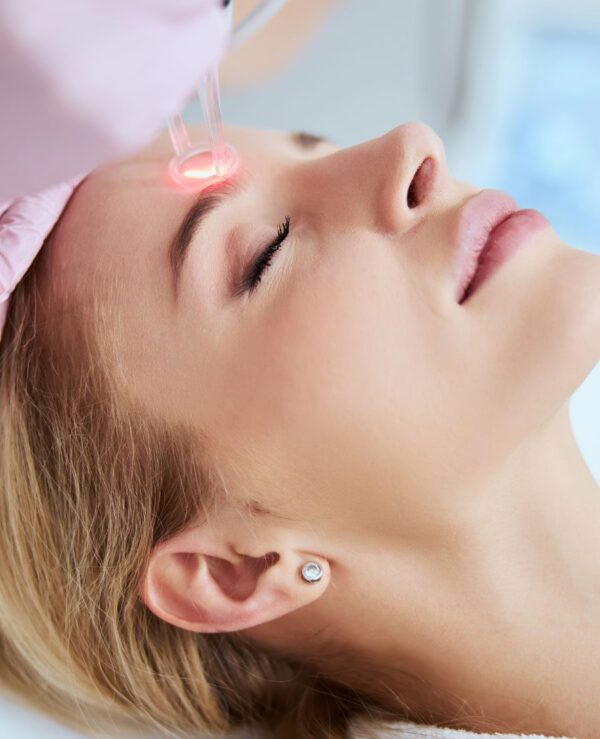
Laser Skin Resurfacing
Advanced fractional laser resurfacing with UltraClear for smoother, refreshed skin and minimal downtime
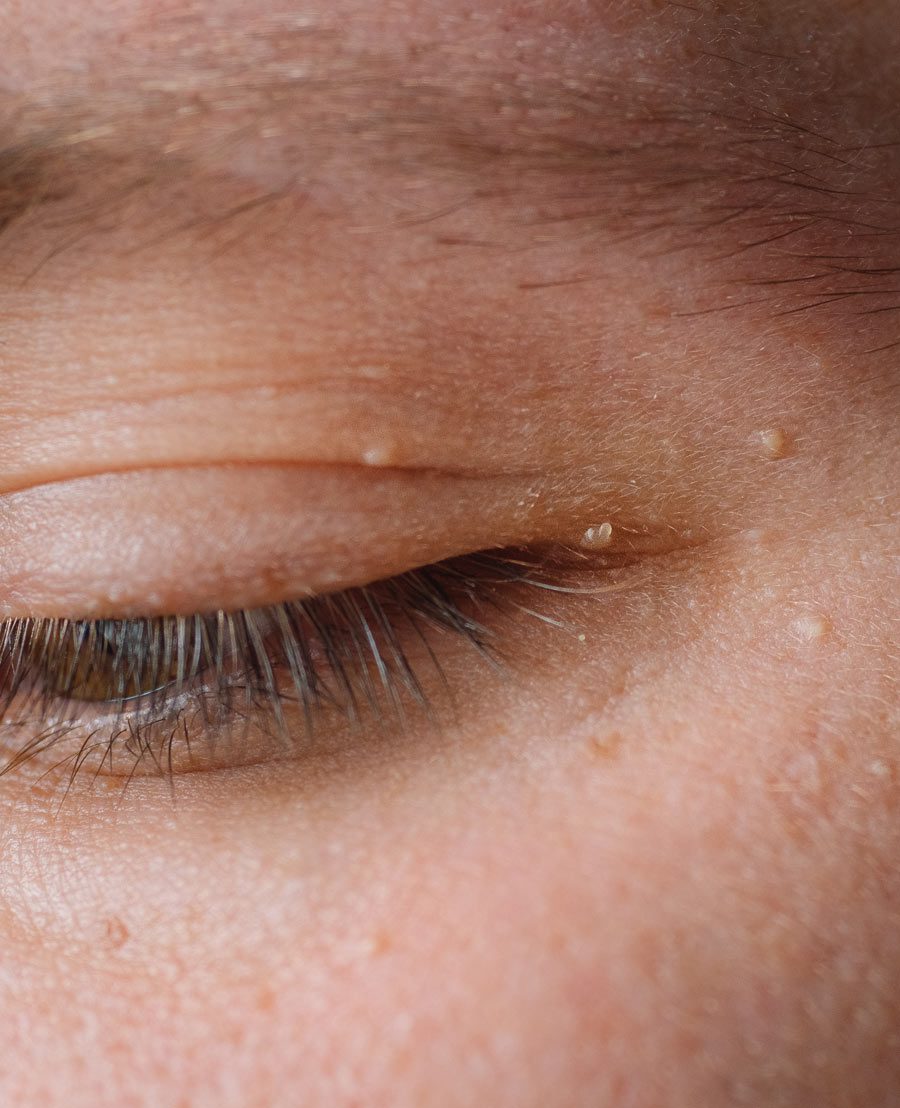
Cryotherapy (Wart & Verruca Removal)
Liquid nitrogen freezing for benign skin lesions
What it looks and feels like
- Flat brown or dark spots (often called age spots or liver spots) on the face, hands and décolletage
- Uneven, blotchy or diffuse pigmentation across sun-exposed areas
- Dry, rough or crepey skin texture, particularly on the face and chest
- Fine lines and wrinkles appearing earlier or more prominently than expected
- Small broken capillaries or a flushed appearance on the nose and cheeks
- Thickened, yellowed or leathery skin in areas of heaviest historic exposure
Why it happens
- Cumulative UVA and UVB exposure over years, including incidental daily exposure
- Use of sunbeds, which emit concentrated UV radiation
- Insufficient or inconsistent use of broad-spectrum SPF
- Living or working outdoors without adequate sun protection
- Fair skin, which has less natural melanin to shield against UV damage
If you notice new or changing spots on the skin, particularly any that are asymmetric, have irregular borders, multiple colours or are growing, you should seek a medical assessment promptly. For cosmetic concerns such as general pigmentation, uneven tone or texture, book a consultation so your practitioner can assess the extent of the damage and recommend appropriate treatment.
Frequently asked questions
Can sun damage really be reversed?
Significant improvement is achievable with the right treatments. Pigmentation, uneven texture and fine lines caused by photodamage respond well to IPL, laser resurfacing and prescription skincare. While it is not possible to undo all historic damage completely, most patients see a clear and meaningful difference after a tailored course of treatment.
What is the most important thing I can do at home?
Wearing a high-factor broad-spectrum SPF every day, even in cooler weather, is the single most effective step for both preventing further damage and protecting the results of any professional treatment.
How many sessions will I need?
This depends on the extent of the sun damage and the treatments recommended. Some patients see a noticeable improvement after a single IPL or laser session; others with more significant or longstanding damage benefit from a course. Your practitioner will outline a realistic treatment plan at consultation.
Is there any downtime after sun damage treatments?
This varies by treatment. IPL and superficial peels may cause some temporary redness and light peeling for a few days. More intensive laser resurfacing involves a longer recovery. Your practitioner will advise on what to expect for the specific treatments recommended.
Are there any treatment options that also address skin laxity?
Yes. Sun damage often reduces skin firmness as well as affecting pigmentation and texture. Treatments such as Thermage and Ultracel target the deeper layers of the skin to stimulate collagen and improve laxity, and can be combined with surface treatments for a more comprehensive result.
How do I get rid of age spots and brown spots on my face?
Age spots, sun spots and uneven pigmentation respond well to light- and laser-based treatments such as IPL photorejuvenation and Fraxel, which target the excess pigment so it lifts and clears. Prescription-strength skincare and a daily broad-spectrum SPF maintain the result and prevent new spots. Your practitioner will recommend the right combination at consultation.
How much does treatment for sun damage and pigmentation cost?
Pricing depends on the treatments and number of sessions agreed for you and is confirmed in writing at your consultation, with no obligation to proceed.
Concerned about sun damage & age spots?
Book a consultation with our specialist team. We will assess the cause and recommend the right combination of treatments for you.
Book a consultation